Is My Filtration System Compliant with ISO-8573 Testing Standards?

Ensuring your compressed air system meets the right filtration standards is critical for product quality and operational safety. The ISO-8573 standard defines the purity classes for compressed air, focusing on contaminants like particles, water, and oil. But how do you know if your filtration system truly complies with these requirements? This post guides quality managers and supervisors through practical steps to assess and verify filtration compliance with ISO-8573 testing.
Understanding ISO-8573 and Its Importance
ISO-8573 is an international standard that classifies compressed air purity into different classes based on three main contaminants:
Particulate matter (solid particles)
Water content (humidity and liquid water)
Oil content (aerosol and vapor)
Each contaminant has specific class levels, ranging from 0 (highest purity) to 6 (lowest purity). For example, Class 1 for particles means fewer than 20 particles per cubic meter of air, while Class 3 allows up to 100,000 particles.
Meeting the right ISO-8573 class depends on your industry and application. Food, pharmaceutical, and electronics manufacturing often require Class 1 or 2, while general industrial use may accept Class 3 or 4.
How to Check If Your Filtration System Meets ISO-8573
1. Identify Your Required Purity Class
Start by determining the ISO-8573 purity class your process demands. Typically, most manufacturing will test to Class 2 Methodology. Review product specifications, regulatory requirements, and customer expectations. For example:
Pharmaceutical production may need Class 1 or Class 2.
Food & Beverage might need Class 2 or Class 3.
General manufacturing could accept Class 3 or 4.
Knowing your target class sets the benchmark for testing and filtration selection.
2. Review Your Current Filtration Setup
Examine your filtration system components:
Pre-filters to remove large particles
Coalescing filters for oil and water aerosols
Activated carbon filters for oil vapor removal
Dryers to reduce moisture content
Check manufacturer specifications for each filter’s efficiency and rated ISO-8573 class. Confirm if the system design matches your required purity level.
3. Conduct ISO-8573 Testing on Compressed Air
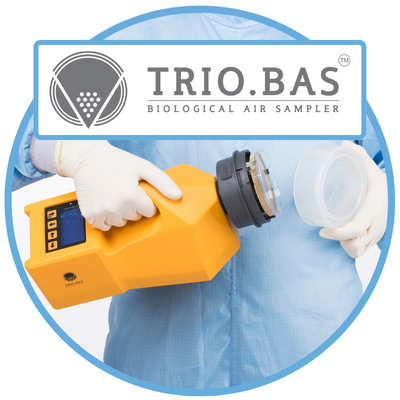
Testing is essential to verify compliance. Use accredited laboratories or certified in-house equipment to measure:
Particle counts using laser particle counters
Dew point meters for moisture content
Oil concentration analyzers for aerosol and vapor
Testing should follow ISO-8573-1 procedures, sampling air at points after filtration and drying.
4. Analyze Test Results Against ISO-8573 Classes
Compare your test data with ISO-8573 limits. For example:
Contaminant | Class 1 Limit | Class 3 Limit | Your Test Result |
Particles | < 20 / m³ | < 100,000 / m³ | 50 / m³ |
Water | -70°C dew point | -20°C dew point | -25°C dew point |
Oil | 0.01 mg/m³ | 1 mg/m³ | 0.05 mg/m³ |
In this example, particle levels meet Class 1, water meets Class 3, and oil is between Class 1 and 3. This indicates partial compliance and areas for improvement.
5. Adjust Filtration Based on Findings
If your system falls short, consider:
Upgrading filters to higher efficiency models
Adding additional filtration stages
Improving maintenance schedules to prevent filter degradation
Installing or upgrading dryers to lower dew points
Regular maintenance and timely filter replacement are crucial to maintain ISO-8573 compliance.
Practical Tips for Maintaining ISO-8573 Compliance
Schedule routine testing at least annually or after system changes.
Keep detailed records of filter types, installation dates, and test results.
Train staff on the importance of filtration and how to spot issues.
Monitor pressure drops across filters to detect clogging early.
Use certified filters that specify ISO-8573 class ratings.
Why ISO-8573 Compliance Matters
Non-compliance can lead to:
Product contamination and quality defects
Equipment damage from moisture or oil
Increased downtime and maintenance costs
Regulatory penalties in sensitive industries
Ensuring your filtration system meets ISO-8573 standards protects your products, equipment, and reputation. Your next step is to schedule a comprehensive ISO-8573 test for your compressed air system. Use the results to verify if your current filtration setup meets the required purity class. If not, plan upgrades or maintenance to achieve compliance. Staying proactive with filtration management ensures consistent air quality and supports your quality assurance goals.
For more information:
Please email: Sales@QualityAirTesting.com
Website: www.QualityAirTesting.com

Comments